Persistent smells—food, bathrooms, wet carpet, musty HVAC—quietly damage morale and brand perception. When scents linger, customers notice and teams lose focus. A strategic plan for office odor control and deodorizing services eliminates odors at the source (not just masking them), restores fresh indoor air, and helps you protect productivity.
Why Odor Control Matters to Workplace Health
Odors signal underlying problems: bacterial growth, moisture intrusion, VOCs from finishes, or poor ventilation. Cover-up sprays briefly mask symptoms, but residues rebound. A professional program identifies sources, applies material-safe chemistry, and improves air changes so odors don’t return. Done well, office odor control and deodorizing services reinforce your broader cleanliness standards and enhance occupant comfort.
For foundational IAQ guidance, see indoor air quality.
Sources We Target—and How We Solve Them
Food and Breakroom Smells
Microwave spills, fridge purge days, and coffee drains create lingering organic odors. We implement a two-step process: enzyme cleaners to break down proteins and fats, then an odor neutralizer to bind volatile compounds. Drain maintenance tablets prevent sulfur compounds and biofilm in sinks and ice machine lines.
Restroom Odors
Urinal splash zones, grout joints, and drains are the real culprits. Our team uses non-acid enzymatic cleaners on vertical surfaces, oxidizing agents on porous grout, and periodic foaming of floor drains and P-traps. Measurable dwell times and microfiber rotation stop cross-contamination. This targeted approach is integral to effective office odor control and deodorizing services.
Carpet, Upholstery, and Moisture
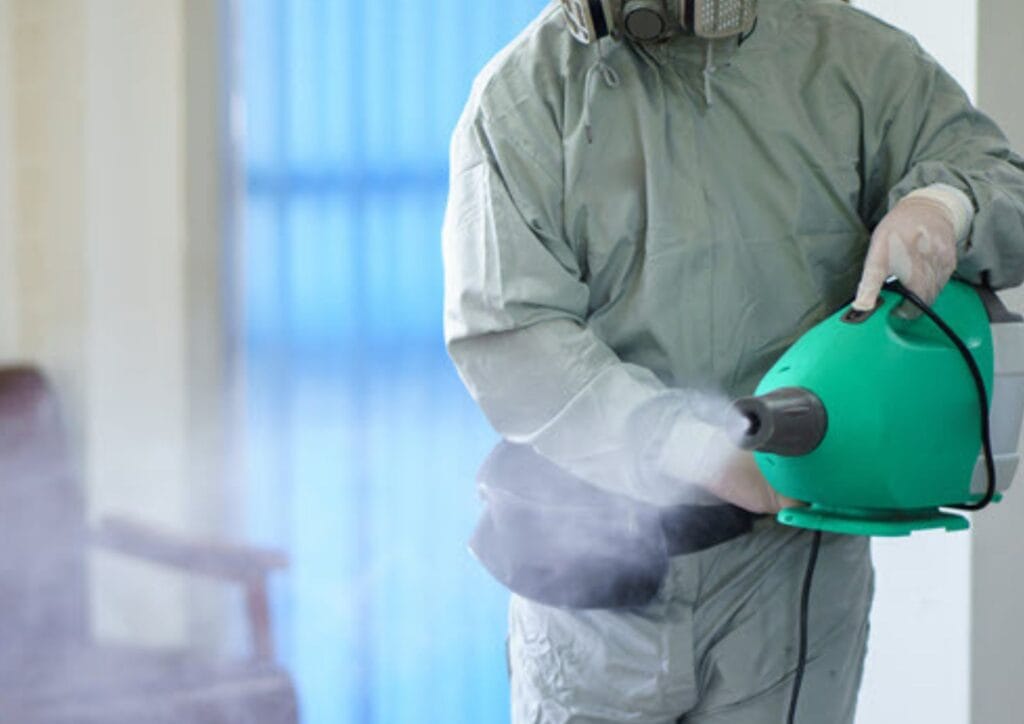
“Wet dog” or mustiness often points to under-pad moisture or spills. Low-moisture encapsulation captures soils without overwetting, followed by hot-water extraction for deep restoration. Where needed, we deploy hydroxyl generators during off-hours to neutralize odors safely while protecting finishes.
Trash Rooms and Loading Docks
Compactor leaks, organic waste, and cardboard dust call for degreasing, rinse extraction, and bacteriostatic treatments. We pair this with air exchange checks and schedule adjustments so odors don’t migrate to office floors.
HVAC and Ventilation
Stale, recirculated air amplifies odors. We coordinate with building engineers to review filter ratings (MERV), coil cleanliness, and outside air setpoints. A clean workspace plus tuned ventilation keeps IAQ in the green.
Our Odor Control Process
Assessment and Mapping
We walk the space with facilities stakeholders to map hot spots—breakrooms, restrooms, conference rooms, server closets, and closets with chemical storage. Moisture meters, UV inspection for organic residues, and odor source logs create a baseline.
Source Removal > Neutralization > Prevention
- Remove: Clean soils from surfaces, drains, and textiles to eliminate odor precursors.
- Neutralize: Apply targeted odor counteractants (enzyme, oxidizing, or bonding agents) chosen for the specific compound family.
- Prevent: Establish frequencies for drains, mats, fridge cleanouts, and carpet maintenance; right-size trash pick-ups; verify air changes in problem zones.
Chemistry and Safety
We select pH-appropriate, low-VOC products and document all SDS. For sensitive environments, we use fragrance-free options that neutralize rather than mask. Occupant notifications and off-hour scheduling minimize disruption while maximizing dwell time.
Touchpoints That Make the Difference
Breakroom and Kitchen
- Refrigerator purge calendar and spill liners
- Microwave interior degreasing and deodorizing
- Food-contact surface sanitizing distinct from general disinfectants
- Floor drains treated with bio-enzymatic products on a schedule
Restrooms
- Splash-zone wall cleaning to 24–30 inches
- Grout oxidation cycles to prevent urine salt buildup
- Trap primer checks and periodic drain foaming
- Controlled scent strategies that never overpower occupants
Soft Surfaces and Meeting Rooms
- Chair upholstery spot treatment with protein-digesting enzymes
- Carpets: encapsulation between extractions to prevent wicking
- Table edge and underside wipe-downs (crumb and spill hiding spots)
Metrics, Reporting, and Recurrence
We don’t guess—we measure. Your report includes before/after photos, moisture readings, chemical logs, and recommendations for air changes and cleaning cadence. Most offices benefit from monthly drain service, quarterly carpet encapsulation, and semiannual deep extraction, layered on top of daily janitorial. For high-traffic spaces, office odor control and deodorizing services can be scheduled weekly for drains and breakrooms to keep ahead of load.
FAQs: Practical Wins for Facilities
Will scenting solve our problem?
Scenting can enhance a clean space but should never hide sanitation gaps. We prioritize source removal and neutralization first; only then do we consider light, consistent ambient scenting if requested.
Can you work after hours?
Yes. We design programs to run nights or weekends so dwell times are met with no interruption to teams.
What about sensitive occupants?
We offer fragrance-free options and communicate clearly about timing and re-entry windows. HEPA filtration and extra air exchanges help protect those with sensitivities.
Related reading: Improve air quality with our guide to Air Quality Improvement for Offices
Choose a Partner Focused on Prevention
Fresh air is a daily deliverable, not a quarterly emergency. With source-focused protocols, safe chemistries, and verified results, our office odor control and deodorizing services keep your workplace welcoming and on brand—for clients, recruits, and everyone in between.
Ready to clear the air? Call (619) 938-2600 or email info@citywidecleaningservices.com to schedule a walkthrough and tailored quote.