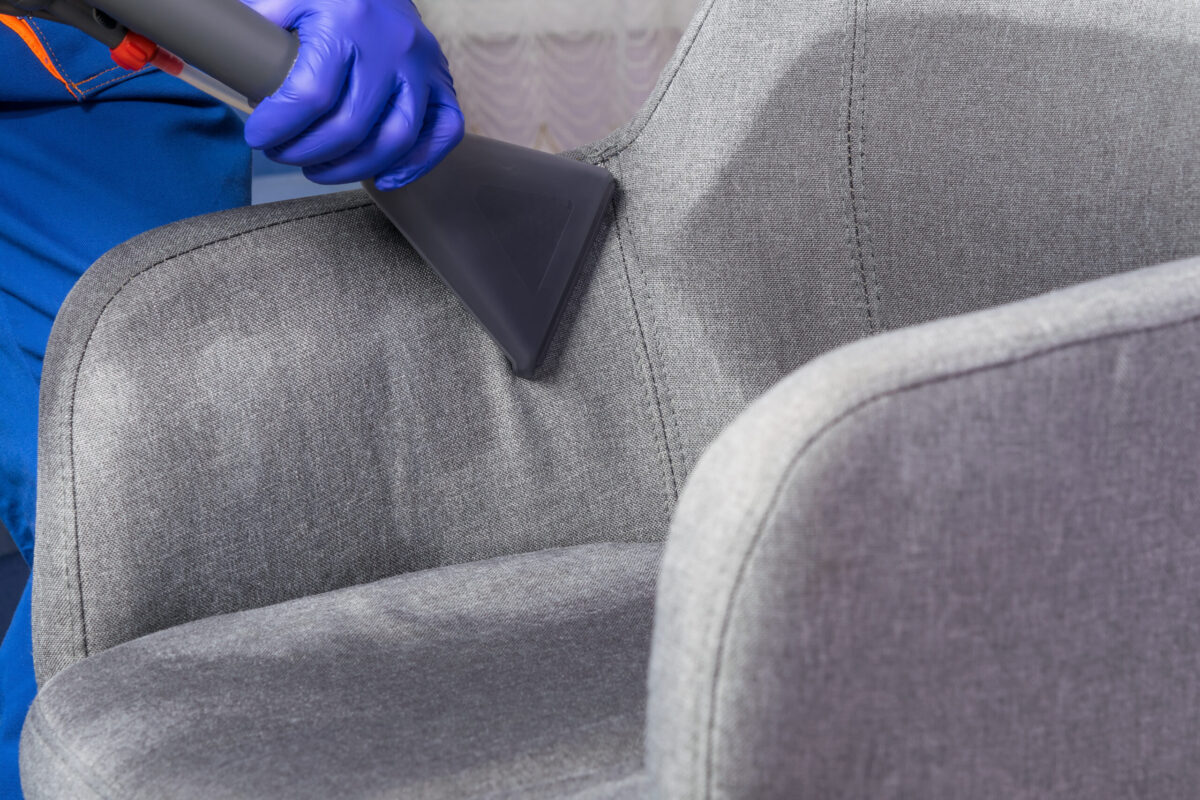
A spotless lobby can’t hide dingy task chairs. If the fabrics employees and visitors touch all day are stained, dusty, or odorous, productivity and brand perception take a hit. Purpose-built office upholstery and chair cleaning services revive textiles, extend furniture life, and reduce allergens—without disrupting your workday.
Why Upholstery Care Belongs in Your Facility Plan
Office seating, partitions, and reception couches absorb body oils, skin cells, pollen, coffee spills, and toner dust. Because these soils bond to fibers, standard wiping isn’t enough. Professional office upholstery and chair cleaning services combine fiber-safe chemistry, controlled moisture, and fast drying to:
- Remove stains before they set and wick
- Reduce odor at the source (not just mask it)
- Lower allergen load for sensitive staff and visitors
- Protect finishes and manufacturer warranties
- Delay expensive replacement cycles
For general best practices on routine cleaning including soft surfaces, see CDC cleaning guidance.
Fabrics, Finishes, and What They Need
Textiles vary widely, and so should your approach.
Common Office Materials
- Polyester/olefin blends: Durable, oil-attracting; respond well to low-moisture encapsulation.
- Nylon: Resilient; benefits from hot water extraction on heavy traffic.
- Wool or natural blends: Rich look; demand pH-controlled products and minimal agitation.
- Vinyl/PU “leather”: Great for healthcare/admin; favor neutral cleaners and soft pads.
Tag Checks and Colorfast Tests
Before we start, technicians verify fabric codes (W/S/X) and perform dye-transfer tests on hidden seams. This ensures the right chemistry—and that no logo embroidery bleeds.
Our 6-Step Process for Chair and Panel Success
1) Inspection & Mapping
We tag priority areas—boardrooms, reception, hot-desks—and note special soils (ink, salts from sweat, coffee tannins).
2) Dry Soil Removal (HEPA)
A high-CFM, sealed-HEPA vacuum removes fine particulates that would otherwise turn into mud when wet. This step dramatically improves results and indoor air quality.
3) Precision Spotting
Protein, dye, adhesive, and oil stains each get targeted pre-treatments with correct dwell times. We neutralize and blot—never scrub fibers into fuzz.
4) Primary Cleaning Method
- Low-moisture encapsulation: Ideal for cubicle panels and fabric task chairs; polymer captures soil for easy post-vacuuming.
- Hot water extraction: Deep flush for heavily soiled upholstery; calibrated pressure protects weave integrity.
- Steam (controlled): For vinyl/PU and armrest zones where sanitization and oil removal matter.
5) Rinse & Fiber Protection
Acidic rinse restores pH, reduces re-soiling, and softens hand feel. Optional protectant helps repel future coffee and ink intrusions.
6) Rapid Drying & QA
Air movers and cross-ventilation target <2 hours touch-dry for most fabrics. We finish with a fiber-direction groom and a photo-verified checklist.
Health, Hygiene, and Odor Control
Deeper Than Looks
Textile fibers trap allergens and VOCs. A scheduled office upholstery and chair cleaning services program reduces micro-dust, helps sensitive staff, and keeps meeting rooms fresher. For odor, we treat source causes: enzymatic action for organic residues, oxidizers for stubborn smells, and sub-surface flush on cushion cores when needed.
Scheduling Without Disruption
Daytime Low-Moisture, Nighttime Restoratives
- Daytime: Encapsulation on chairs with fans allows same-day seating.
- After-hours: Hot water extraction or full panel runs across floors or departments.
- Rotations: Monthly touch-ups on reception/visitor areas; quarterly in conference rooms; semiannual deep cleaning on full seat inventories.
H4: Stain Policy That Saves Money
Encourage employees to report spills immediately. Fast intervention avoids permanent dye bonding—especially on tea/coffee, fruit drinks, and ink.
Sustainability Without Sacrifice
We prioritize low-VOC chemistry, measured dilution via closed-loop systems, microfiber for pre-treatments, and HEPA filtration for fine particulates. Results: better indoor air and fewer chemical residues on armrests and headrests.
Pricing: What Drives Your Quote
No two furniture fleets are alike. Your price for office upholstery and chair cleaning services depends on:
- Inventory & fabric mix: Task chairs vs. executive, panels vs. couches
- Soil load & stain profile: Food/beverage, ink, body oils
- Access & logistics: Floor level, elevator time, after-hours requirements
- Method & frequency: Low-moisture maintenance vs. restorative extraction
- Add-ons: Protectant, odor remediation, fabric guard, panel top-cap detail
Want to stretch your budget further? Pair upholstery care with Office Furniture Cleaning and Maintenance to coordinate armrest sanitizing, desk edge wipe-downs, and panel dusting on the same visit.
Quality Control You Can See
We document before/after photos, list stain outcomes, and log fiber IDs for future visits. If a spot returns after drying (wick-back), we re-address it on the touch-up pass.
FAQs: Fast Answers for Facility Managers
How long until chairs are dry?
Typically under two hours with low-moisture methods; 2–6 hours for deep extraction depending on fabric density and airflow.
Will cleaning void warranties?
We follow manufacturer care codes and keep chemistry within approved pH ranges—so you stay compliant.
Can you treat scent-sensitive workplaces?
Yes. We offer fragrance-free, low-VOC options and can schedule after-hours to minimize exposure.
Ready to Refresh Every Seat?
Let’s build a schedule that keeps reception seating spotless and task chairs comfortable year-round—without slowing your team.
Phone: (619) 938-2600
Email: info@citywidecleaningservices.com