
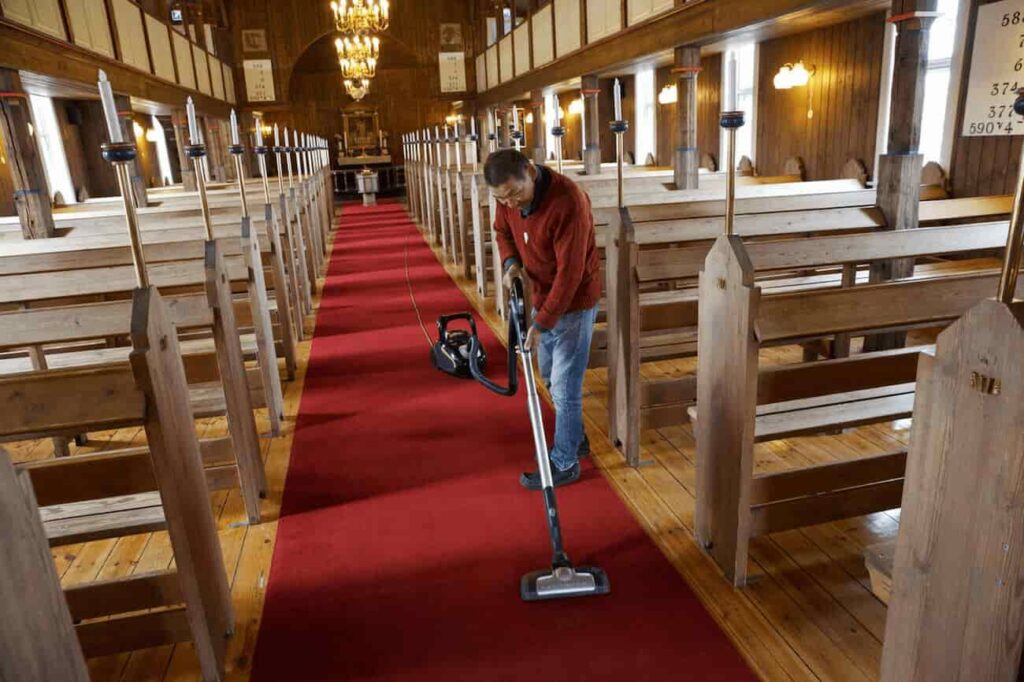
Faith communities run on trust, hospitality, and shared space. From Sunday services and daily prayers to weddings, classes, and food outreach, traffic patterns in sanctuaries are unique—and so are the hygiene risks. A purpose-built plan for church and worship facility cleaning services protects congregants’ health, preserves sacred furnishings, and keeps high-use areas ready for the next gathering.
A Sacred Space Deserves Specialized Care
Sanctuaries combine soft surfaces (pews, cushions, carpets, drapery) with delicate finishes (wood, brass, stained glass) that can be damaged by harsh chemicals. Narthexes and lobbies see heavy foot traffic and weather-related soil. Fellowship halls, classrooms, nurseries, and offices each have different risk profiles. Your cleaning program should reflect these differences with tailored methods, dwell times, and frequencies—without disrupting schedules or quiet hours.
Core Principles for Worship Facility Hygiene
1) Zoning and Scheduling
Segment the building into functional zones—sanctuary, nursery, classrooms, office/administration, kitchen/fellowship hall, restrooms, and exterior entries. Map peak-use windows (services, choir practice, youth nights) to schedule church and worship facility cleaning services when spaces are empty and cleaning agents can fully dwell and dry.
2) Material-Safe Chemistry
Use pH-appropriate, EPA-registered products that protect wood finishes, brass railings, and historic fixtures. Favor neutral cleaners for daily maintenance and specialty polishes only where manufacturer-approved. For infection control, choose compatible disinfectants and verify contact times.
3) High-Touch Priority
Door hardware, pew backs, kneelers, handrails, offering boxes, classroom tables, nursery check-in stations, and AV touchscreens need frequent cleaning and disinfection with microfiber rotation to avoid cross-contamination.
4) Quiet, Respectful Methods
Battery-powered or cord-managed equipment minimizes trip hazards in aisles. HEPA filtration reduces airborne particles. Teams should be trained to move discreetly, especially when congregants are in prayer or events are underway.(For evidence-based guidance on surface cleaning and disinfection, see Environmental Services.
Sanctuary and Narthex Standards
Daily/Service Turnover
- Inspect floors and aisles; spot-vacuum or dust mop to capture grit that can scratch wood finishes.
- Microfiber dust all horizontal surfaces (pew tops, choir rails, lecterns) from high to low to prevent resettling.
- Clean and disinfect high-touch points (pew backs, handrails, door plates, offering stations) with chemistry safe for finished wood and metals.
- Glass and stained glass: lint-free cloths and non-ammoniated cleaners to preserve coatings.
- Brass/metal accents: polish only to manufacturer specs; over-polishing accelerates wear.
Weekly/Monthly
- Detail vacuum pew cushions and under-seat areas; extract as needed using low-moisture methods.
- Dust elevated fixtures (chandeliers, organ loft rails) with extendable tools; schedule lift work off-hours.
Nursery and Children’s Ministry Protocols
Nurseries require healthcare-adjacent practices to protect infants and toddlers.
- Between uses: Clean and disinfect check-in counters, cribs, changing stations, and toys with child-safe, non-irritating products; honor dwell times.
- Textiles: Bag and launder blankets and soft toys per policy; avoid porous items that cannot be sanitized.
- Floors: Damp mop with neutral solutions; consider antimicrobial mats at entries.
- Documentation: Keep visible cleaning logs to reassure parents and volunteers.
For comparable facility standards, see our article on School Cleaning Services.
Fellowship Halls, Kitchens, and Events
Events multiply soil load: coffee drips, buffet crumbs, table fingerprints, chair scuffs. Your plan should include:
- Pre-event: Stock dispensers, place entry mats, protect floors with sliders and chair caps.
- Post-event: Two-step table care (clean, then disinfect), chair wipe-downs, floor sweep and damp mop, spot extraction for spills.
- Kitchenettes: Food-contact surface cleaning separate from general disinfection; sanitize prep areas with products listed for food-service use; de-grease appliances and hood exteriors; descale coffee/tea equipment on schedule.
Restrooms: High-Frequency, High-Visibility
Restrooms shape the visitor experience. Standards should specify:
- Multiple daily cycles during services: touchup of fixtures, dispensers, and waste; floors spot-mopped with slip-resistant neutral cleaner.
- Nightly detail: Full bowl/urinal descale, partition wipe-downs, grout line attention, mirror and chrome polish, odor control at the source (drains, not fragrances).
- Inventory: Right-size paper, soap, and towel quantities for peak attendance to prevent outages.
Floors, Carpets, and Entryways
- Entry mats: Deploy 10–15 feet of scraper/wiper mats to capture up to 80% of incoming soil.
- Hard floors: Auto-scrub or damp mop with neutral solutions; avoid finishes that reduce traction in aisles or near baptisteries.
- Carpet care: Routine vacuuming with HEPA; interim encapsulation for aisles; periodic hot-water extraction scheduled after major events to allow full dry before the next service.
Preservation of Historic and Sacred Elements
Many worship spaces feature heritage pews, carved pulpits, pipe organs, memorial plaques, icons, or Torah arks. These require gentle care and sometimes conservation consultation. Build a do-not-use chemical list, test products in inconspicuous areas, and document special instructions for each material. Train crews to avoid accidental contact with musical instruments and AV wiring.
Safety, Security, and Volunteer Coordination
- Trip and fall prevention: Cord management, wet-floor signage, and drying times are non-negotiable—especially where elderly congregants and children gather.
- Access: Coordinate keys/alarms with administrators; maintain a roster of approved team members.
- Volunteers: Provide light-duty checklists for volunteer days (e.g., hymnal dusting, chair straightening) while reserving chemical-intensive tasks for trained staff.
Quality Assurance and Communication
Transparency builds confidence. Use digital checklists, time-stamped photos, and monthly reports that show task completion, material notes, and any facility issues (loose railings, damaged tiles, burnt bulbs). Seasonal adjustments (holiday services, Ramadan nights, high holy days) should trigger enhanced frequencies and pre/post-event detailing.
Why Choose a Specialized Partner
A generic office program can miss the nuances of worship environments. Our church and worship facility cleaning services emphasize respectful movement, material-safe chemistry, infection control where it matters, and flexible scheduling around services and events. We’ll walk the space with you, draft a zone-by-zone SOP, and deliver consistent results week after week.
Ready to customize a plan for your congregation? Call (619) 938-2600 or email info@citywidecleaningservices.com to schedule a walkthrough and quote.