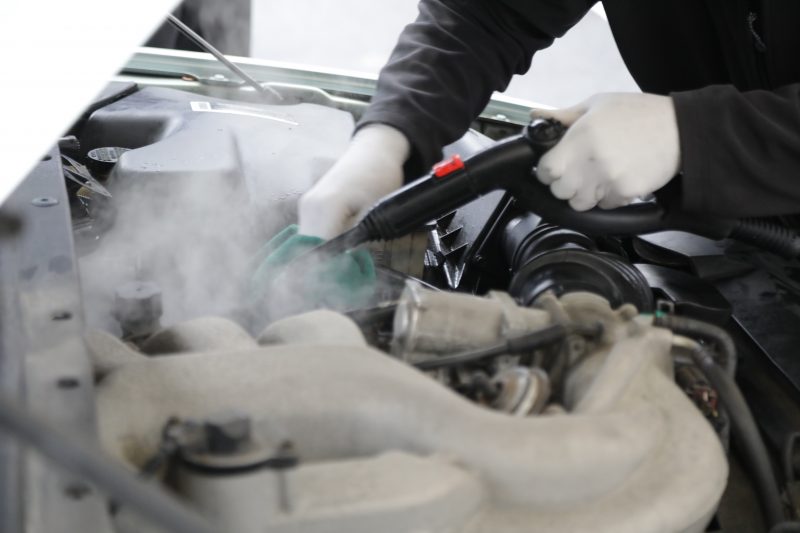
In a high-traffic service lane, first impressions start long before the showroom. Customers judge your brand the moment they roll across the threshold—are the floors slick or spotless, are drains protected, are tools clean, are odors controlled? A rigorous auto dealership service bay cleaning and degreasing program protects technician safety, extends surface life, and keeps you audit-ready for environmental compliance.
What Makes Service Bays Hard to Keep Clean
Service bays see continuous oil drips, coolant splashes, metal fines, tire dust, and traffic from lifts, jacks, and wheel dollies. Add moisture from washing and you’ve got a perfect recipe for slips, corrosion, and odors. The right plan balances four pillars:
- Chemistry: Targeted degreasers (alkaline, solvent, or biosurfactant) matched to soils and substrates.
- Process: Clean-to-dirty, high-to-low sequencing that keeps contaminants moving toward collection—not into drains.
- Equipment: Auto-scrubbers with oil-resistant squeegees, HEPA vacs for metal dust, foaming sprayers for dwell time.
- Verification: ATP/fluorescence checks for hygiene, gloss readings for floor finish, and logbooks for compliance.
Building a Service-Bay SOP That Actually Works
Define Zones and Flows
Map each bay into zones—vehicle footprint, lift perimeter, tool benches, parts wash, drains/trenches, and pedestrian paths. Your auto dealership service bay cleaning and degreasing SOP should push soils from the dirtiest zones toward contained pickup points using absorbent berms or booms when needed.
Choose The Right Degreaser
- Alkaline, non-butyl: Great for petroleum soils on sealed concrete and epoxy, low odor, rinse-friendly.
- Solvent-boosted (VOC-compliant): For heavy tar or adhesive residues; use with local exhaust and PPE.
- Enzymatic/biosurfactant: Slower but eco-forward, excellent for odor control in porous areas and grout lines.
Pro tip: Always confirm chemical compatibility with epoxy, polished concrete guard, or urethane floor systems to prevent haze or delamination.
Set Frequencies by Risk
- Hourly/Mid-Shift: Spot wipes, absorbent placement, wipe-downs around drains.
- Daily Close: Auto-scrub floor with oil-cutting detergent; detail squeegee around lift posts, columns, and corners.
- Weekly: Deep degrease under benches and compressors; polish stainless; clean wall panels and kick plates.
- Monthly/Quarterly: Machine scrub trenches, descale wash bay walls, recoat floor finish or re-seal concrete.
Floors, Drains, and Spill Control (Where Compliance Meets Clean)
Even “clean” service bays can violate rules if oil reaches stormwater pathways. Incorporate secondary containment, labeled spill kits, absorbent pads, and documented training into your checklist. For a regulatory frame of reference, review EPA SPCC guidance on spill prevention and oil-bearing waste handling.
Floor Systems
- Epoxy/Urethane Floors: Daily auto-scrub, weekly degrease + rinse. Maintain non-slip aggregate in traffic lanes.
- Polished Concrete: Neutral maintenance daily; targeted degreaser only where needed to protect the guard finish.
- Trenches/Drains: Grate removal, manual scrub, extract with wet vac; replace absorbent socks each week or sooner after spill events.
Waste Segregation
- Funnel mop waters and auto-scrubber waste into oil/water separation points—never into storm drains.
- Keep used absorbents (pads, granules) in labeled, covered containers; track disposal manifests.
Tools and Touchpoints: Beyond the Floor
Benches, Vises, and Carts
- Spray-and-dwell degreaser on benchtops; wipe with microfiber to capture metal fines.
- De-gum adhesive transfer from tapes and labels with plastic scrapers to avoid scoring stainless.
Lifts, Hoses, and Lines
- Wipe hydraulic posts and hose reels daily to prevent sheen transfer to floors.
- Inspect air/water reels for slow leaks that create slip hazards and attract dust.
Parts and Wash Areas
- Maintain parts-washer lids and baffles; skim oils and replace media per manufacturer intervals.
- Descale wash bay tile and trench lips; squeegee verticals to cut mildew and odor.
Odor and Indoor Air Quality (IAQ)
Degreasing can raise VOCs and odors—both customer- and technician-facing issues. Improve IAQ without sacrificing cleaning power:
- Low-VOC chemistries for routine use; reserve solvents for stubborn spots.
- Local exhaust above parts washers and mixing stations.
- Matting at thresholds to trap wheel soils before they hit customer areas.
- HEPA filtration on vacuums to capture metal dust and brake fines.
Training and Safety: Make It Muscle Memory
A professional auto dealership service bay cleaning and degreasing program is only as strong as its training:
- Color-coded microfiber and mops (red for restrooms, gray for floors, blue for benches) to prevent cross-contamination.
- Label literacy: Technicians know dwell times, PPE, and first-aid for each chemical.
- Slip-resistance testing: Periodic coefficient-of-friction checks after cleaning and before opening hours.
- Mock spill drills: Deploy booms, shutoff valves, and notify the chain of command—log everything.
Add-On Services That Protect Your Brand
- Hot-water pressure washing (controlled recovery) for exterior approach lanes and delivery bays.
- Ceiling/LED bay light cleaning to remove misted oil and restore brightness.
- Stainless restoration for service counters and parts windows.
- Showroom handoff: Keep the path from service to sales dust-free and streak-free to maintain upsell potential.
For broader facility needs, explore our Commercial Cleaning Services to connect your service lane with front-of-house standards.
Get a Service-Bay Plan Built for Your Dealership
We’ll audit your bays, identify soil sources, test chemistries on your specific floor system, and set a calendar that minimizes downtime. From daily spot cleans to quarterly degreasing and drain programs, we make “clean and compliant” the default.
Phone: (619) 938-2600
Email: info@citywidecleaningservices.com